Taurine is often perceived as a 'male' ingredient of energy drinks and pre-workouts. In reality this substance is equally important for both sexes, and the questions that arise for women concern mostly not taurine itself but its context: caffeine, diet, pregnancy. The editorial team looked into whether taurine has any female-specific features and what really deserves attention.
Taurine in the female body: what is known
Taurine is a sulfur-containing compound that is not part of proteins and circulates freely in the tissues. It is most abundant in the heart, skeletal muscles, the retina of the eye, the brain and leukocytes. It participates in osmoregulation, the conjugation of bile acids, the regulation of calcium metabolism in cells and has antioxidant properties.
The adult body synthesizes taurine from the amino acids cysteine and methionine with the participation of vitamin B6, and also obtains it from meat, fish, seafood and poultry. The fundamental review by Huxtable (1992) describes these functions without dividing them into 'male' and 'female' - the mechanisms of action are the same for everyone.
Studies that specifically compare the effects of taurine supplements in men and women are few. Most sports studies were conducted predominantly with men, so data for women are often extrapolated. This is a general problem of sports science, and taurine is no exception here.
Therefore the honest answer to the question in the title is this: no fundamental physiological differences in the action of taurine between the sexes have been described. But there are several female-specific situations in which decisions about taurine are worth making with the context in mind.
Plant-based diet and taurine intake
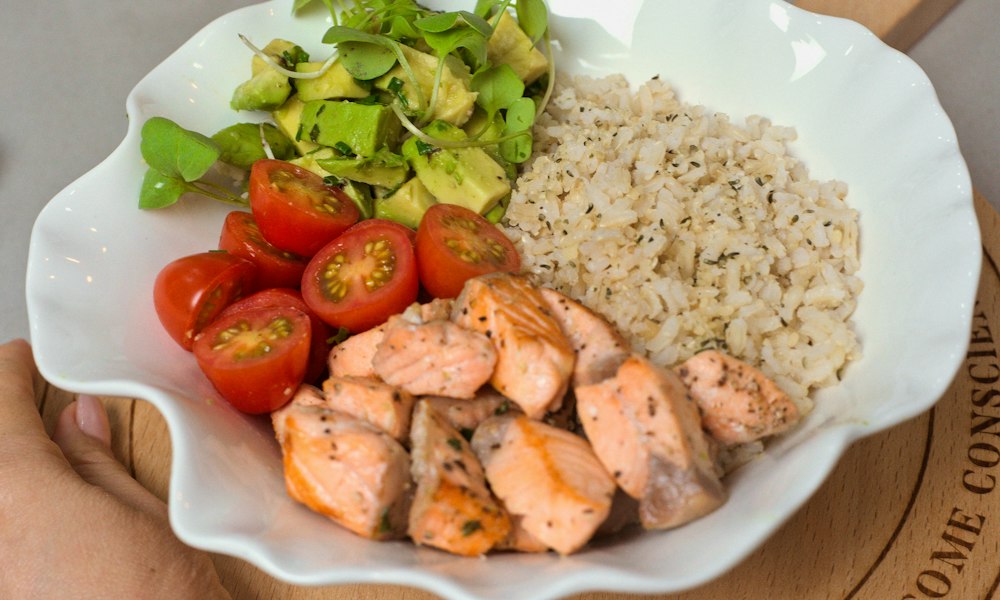
Women more often than men follow a vegetarian or vegan diet. Since taurine is found almost exclusively in animal products, its dietary intake in such diets is minimal.
At the same time, the body is able to compensate for this through its own synthesis, and in healthy adults on a plant-based diet a clinical taurine deficiency has not been described as a typical problem. Plasma taurine levels in vegans may be somewhat lower, but the practical significance of this has not been established.
| Source | Taurine content | Comment |
|---|---|---|
| Shellfish, seafood | High | Among the richest dietary sources |
| Dark poultry meat, fish | Moderate-high | The main sources in an ordinary diet |
| Red meat | Moderate | Depends on the type of meat and processing |
| Milk, eggs | Low | For vegetarians - a small contribution |
| Plant products | Practically absent | A vegan diet contains almost no taurine |
For the synthesis of taurine, sufficient protein (a source of sulfur-containing amino acids) and vitamin B6 are needed. Therefore, for women on a plant-based diet it is more important to ensure complete protein from various sources than to automatically buy taurine.
If a woman on a plant-based diet does decide to take taurine, this is generally safe: synthetic taurine is not of animal origin and is suitable for vegans. The risk assessment by Shao and Hathcock (2008) set a safe level of long-term intake at up to 3 g per day.
Energy drinks, caffeine and the female body
For many women the main source of taurine is not supplements but energy drinks. Here it is important to understand that the main risks of energy drinks are associated not with taurine but with caffeine and sugar. The EFSA scientific panel (2009) found no grounds for concern about taurine in amounts typical of energy drinks.
Caffeine, on the other hand, has clear limits. EFSA (2015) considers up to 400 mg of caffeine per day safe for healthy adults, and up to 200 mg per day for pregnant and breastfeeding women. One 250 ml can of energy drink usually contains about 80 mg of caffeine, and large cans considerably more.
For women watching their weight, sugar also matters: a standard energy drink can contain several teaspoons of sugar. 'Sugar-free' versions remove this problem but do not reduce the caffeine.
So if a woman wants to get taurine, a pure supplement without caffeine is a much more predictable option than energy drinks, especially for those who are sensitive to stimulants, have anxiety or sleep problems.
Training, endurance and the cardiovascular system
The meta-analysis by Waldron and colleagues (2018) showed that taurine may modestly improve performance in endurance exercise. The number of studies was small, and most participants were men, so for women the results can so far be regarded only as a rough guide.
For women who do running, cycling or other cyclic sports, taurine can be considered a second-line supplement: theoretically useful, with a good safety profile, but with a small and not guaranteed effect.
Interesting data concern arterial blood pressure. In a randomized study by Sun and colleagues (2016), taking taurine for 12 weeks lowered arterial blood pressure in people with prehypertension and improved vascular function. Participants were both men and women, and the authors did not emphasize any difference by sex.
This does not mean that taurine can be used instead of blood pressure medication. Women who already take antihypertensive drugs should discuss taurine with a doctor to avoid an excessive drop in blood pressure.
Pregnancy, lactation and practical advice
Taurine is naturally present in breast milk, and for premature infants it is conditionally essential - which is precisely why it is added to infant formulas. However, this does not mean that pregnant and breastfeeding women need taurine supplements.
There are insufficient studies on the safety of taurine supplements during pregnancy. In the absence of data, the editorial team's position is unambiguous: during this period taurine in the form of supplements or energy drinks should be consumed only on a doctor's recommendation. Energy drinks are undesirable during pregnancy because of their caffeine content.
- Assess your diet:if it regularly includes fish, meat and seafood, additional taurine is probably not needed.
- Choose a pure supplementwithout caffeine, if the goal is taurine specifically.
- Stick to studied doses- sports studies usually used 1-6 g, and the safe level of long-term intake is estimated at 3 g per day.
- Consult a doctorif you take blood pressure medication or lithium, if you have kidney disease, and during pregnancy and lactation.
Taurine can be taken regardless of the phase of the menstrual cycle: there are no data that its effects change depending on the cycle. If you notice that your well-being depends on the cycle, it is more likely related to other factors - sleep, nutrition, caffeine.
Editorial conclusions
No fundamental differences in the action of taurine in women and men have been described: the mechanisms are the same, and safe intake levels do not depend on sex.
Female-specific features concern context: a more common plant-based diet, pregnancy and lactation, as well as the consumption of energy drinks, where the main risk is caffeine, not taurine.
For women who train for endurance, taurine can be a moderately useful and safe addition, but not a primary supplement.
We also recommend reading our articles 'The history of taurine: how a supplement became popular', 'Side effects of taurine' and 'Who should not take taurine'.
References
- Huxtable RJ. Physiological actions of taurine. Physiol Rev. 1992;72(1):101–163.
- Shao A, Hathcock JN. Risk assessment for the amino acids taurine, L-glutamine and L-arginine. Regul Toxicol Pharmacol. 2008;50(3):376–399.
- Waldron M, Patterson SD, Tallent J, Jeffries O. The effects of an oral taurine dose and supplementation period on endurance exercise performance in humans: a meta-analysis. Sports Med. 2018;48(5):1247–1253.
- Sun Q, Wang B, Li Y, et al. Taurine supplementation lowers blood pressure and improves vascular function in prehypertension: randomized, double-blind, placebo-controlled study. Hypertension. 2016;67(3):541–549.
- EFSA Panel on Dietetic Products, Nutrition and Allergies. Scientific Opinion on the safety of caffeine. EFSA J. 2015;13(5):4102.
- EFSA Panel on Food Additives and Nutrient Sources added to Food. The use of taurine and D-glucurono-γ-lactone as constituents of the so-called "energy" drinks. EFSA J. 2009;7(4):935.
- Sturman JA. Taurine in development. Physiol Rev. 1993;73(1):119–147.
Andriy Melnyk
A strength-sports coach and author of programs for beginner and intermediate levels. Writes about training planning.